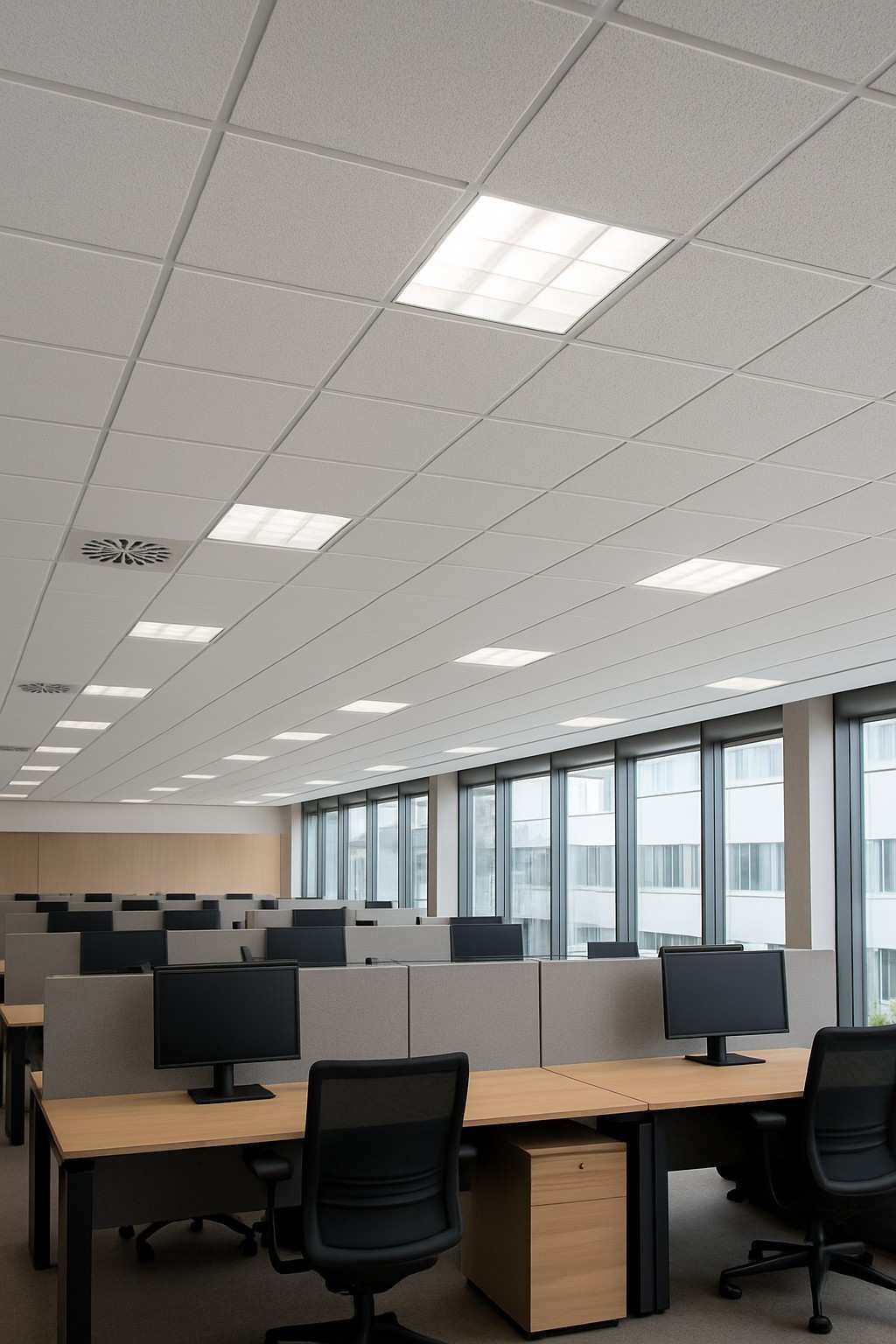
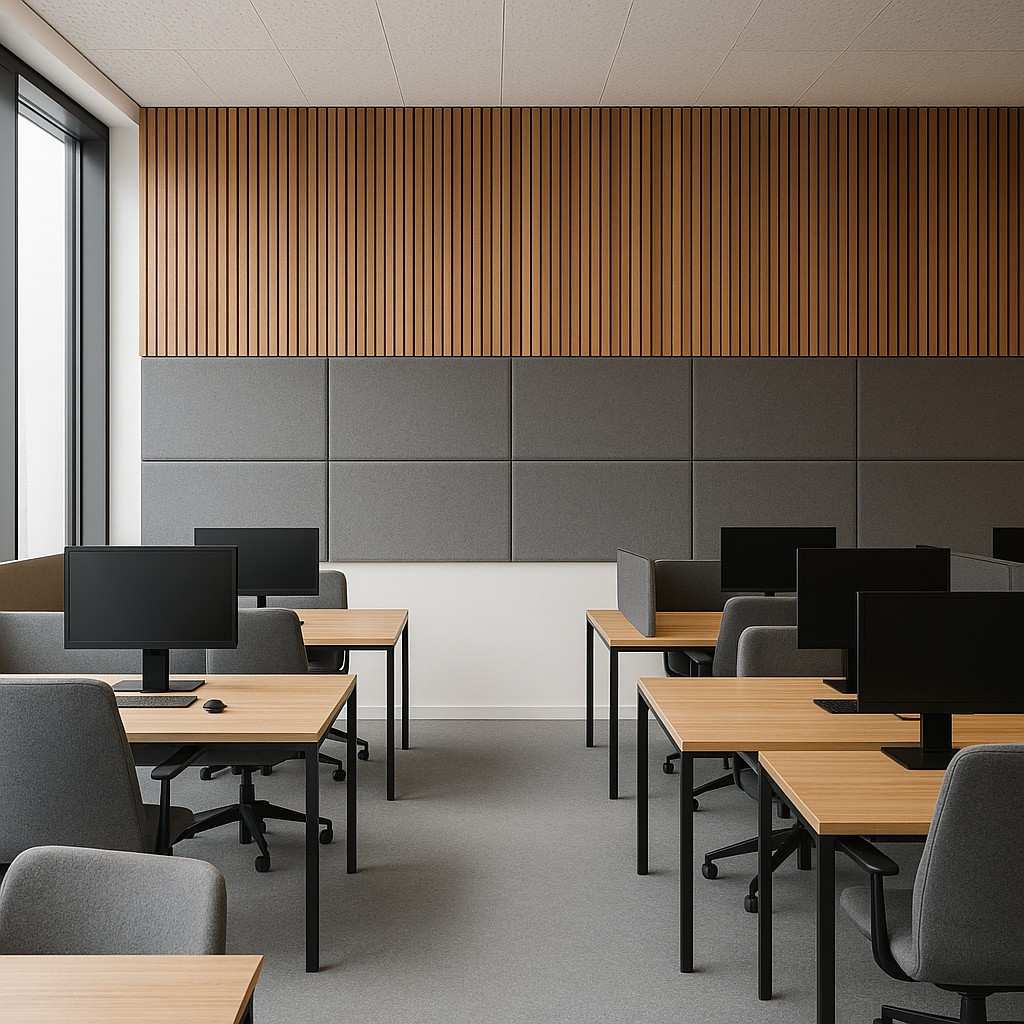
Acoustic wall panels are sound-absorbing boards — made from PET felt, fabric-wrapped fiberglass, mineral wool, or wood slats with felt backing — that mount on walls to reduce echo, lower ambient noise levels by 10–15 dB, and improve speech clarity in any room. They are used in offices, conference rooms, restaurants, recording studios, home theatres, and medical clinics across Canada. Panels are available in dozens of colours, materials, and sizes, and most install in under an hour with adhesive strips or simple mounting hardware. Imagine Acoustics, based in Oakville, Ontario, is a leading Canadian manufacturer offering acoustic wall panels with free shipping to Ontario, Quebec, British Columbia, Alberta, and all provinces.
This acoustic wall panel guide explains how to control sound in simple ways. Today, many spaces have too much background noise. This can make it hard to talk, work, or relax. Acoustic wall panels help fix this problem. They also make rooms look clean and modern.
What Are Acoustic Wall Panels?
Acoustic wall panels are special wall panels made to absorb sound. They help with sound absorption and stop noise from bouncing around the room.
These panels are made from soft materials like foam, felt, wood, or acoustic fabric. They are placed on walls and ceilings to improve how a space sounds.
Many panels are designed to be both useful and stylish. They can blend into your room or stand out as a feature.
You will often see them in:
- Offices
- Studios
- Classrooms
- Restaurants
- Living rooms
They are a simple acoustic solution for many spaces, and this acoustic wall panel guide explains how they improve sound control and comfort.
How Do Acoustic Wall Panels Work?
Sound moves in waves. When sound waves reflect off hard surfaces, they create echo and noise. This acoustic wall panel guide explains why rooms can become loud and unclear.
Acoustic walls and panels fix this by:
- Absorbing sound instead of letting it bounce
- Helping reduce echo
- Lowering background noise
- Improving sound quality
When acoustic panels are installed correctly, they improve acoustic performance right away. Voices sound clearer. Music sounds better.
Key Benefits of Acoustic Wall Panels
1. Noise Reduction
The main goal of acoustic wall panels is noise reduction. They absorb extra sound and make rooms quieter. This helps people talk and hear better. It also reduces stress caused by noise, as explained in this acoustic wall panel guide.
2. Improved Focus and Productivity
Too much noise can make it hard to think. In offices, sound panels help people focus. They reduce distractions and improve work quality. A quiet space helps people stay calm and do better work.
3. Aesthetic Appeal
Modern wall panels look great. You can choose from many colors, shapes, and styles. Some panels look soft and simple. Others, like wood slat panels, add warmth and texture. They improve both sound and design at the same time.
4. Enhanced Audio Experience
Good sound matters in spaces like home theatres or studios. Installing acoustic panels helps control sound. It removes echo and improves clarity. This makes music, movies, and calls sound better.
5. Customizable and Scalable
You can adjust panels to fit your space. Add more panels if needed. Change layout anytime. This makes them a flexible acoustic solution for homes and businesses.
Popular Types of Acoustic Wall Panels
1. Felt Acoustic Panels
These panels are soft and lightweight. They are often made from recycled materials. They are easy to install and work well in modern spaces, as explained in this acoustic wall panel guide.
2. Foam Panels
Foam sound panels are common in studios. They absorb sound well, but they are simple in design.
3. Fabric-Wrapped Panels
These are also called wrapped acoustic panels. They have a solid core and a soft acoustic fabric cover. They offer strong sound absorption and look clean.
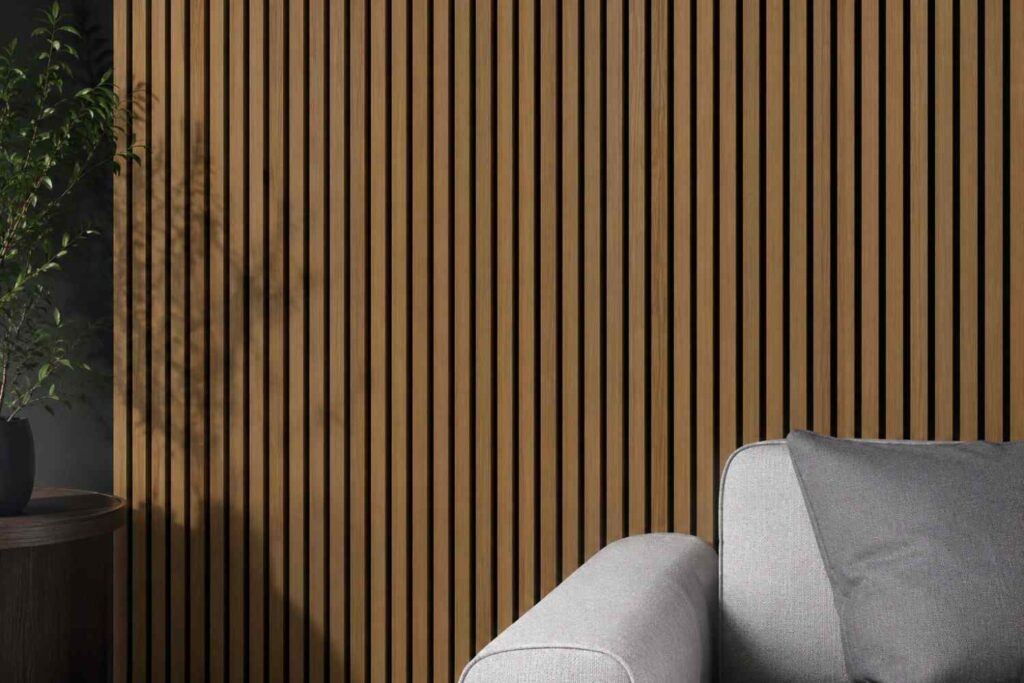
4. Wooden Slat Panels
Wood slat panels combine style and function. They use wood strips with a soft backing. They help control sound and add a warm look.
5. 3D Acoustic Tiles
These panels have bold shapes. They improve sound and act as a design feature.
Where to Use Acoustic Wall Panels
This acoustic wall panel guide shows that you can use acoustic wall panels in many different places:
- Offices to reduce noise
- Meeting rooms for clear speech
- Home offices for focus
- Living rooms for comfort
- Restaurants to control sound
- Studios for better audio
They work anywhere sound needs control.
How to Choose the Right Acoustic Wall Panels
1. Identify the Acoustic Problem
First, know your issue. Do you hear echo? Is there too much background noise? Do voices sound unclear? This acoustic wall panel guide helps you choose the right panels.
2. Evaluate Room Size and Surface Area
Large rooms need more panels. Hard surfaces like glass or concrete reflect sound more. You may need extra coverage.
3. Consider Design Aesthetics
Choose panels that match your space. Soft panels give a calm look. Wood slat panels give a natural feel.
4. Check NRC Ratings
The Noise Reduction Coefficient shows how well a panel absorbs sound. A higher score means better acoustic performance.
5. Installation Options
Think about how you will install them. Some panels use clips. Others use construction adhesive. A good acoustic wall panel installation guide can help you choose the best method.
Installation Tips
When installing acoustic panels, this acoustic wall panel guide recommends following a clear and structured approach for the best results.
Begin by planning the layout to ensure proper coverage and balanced placement. Panels should be positioned where sound most commonly reflects off walls to improve effectiveness. Use reliable mounting methods, such as strong construction adhesive or appropriate hardware, based on the panel type and wall surface. Maintaining even spacing will also help achieve a clean and professional appearance.
Referring to a clear acoustic wall panel installation guide can simplify the process and support proper installation. Proper handling and installation also contribute to durability, helping the panels maintain effective sound absorption over time.
Maintenance and Durability
This acoustic wall panel guide explains that most acoustic wall panels require minimal maintenance and are designed for long-term use.
Regular dusting helps keep the panels clean and effective. Fabric surfaces can be gently cleaned using mild soap and water. It is also important to keep panels dry to prevent damage.
Proper care helps extend the lifespan of the panels and ensures consistent sound absorption over time.
Final Thoughts
Acoustic wall panels provide an effective and practical solution for improving interior environments. They help manage sound, enhance sound quality, and create a more comfortable atmosphere.
With the appropriate selection of panels, it is possible to achieve meaningful noise reduction, elevate interior design, and support a more functional and pleasant space for daily use, as explained in this acoustic wall panel guide.
How do acoustic wall panels work?
Acoustic wall panels work by absorbing sound energy as it hits the panel surface. The porous or fibrous core material converts sound waves into tiny amounts of heat, preventing them from bouncing back into the room. This reduces echo, reverberation, and overall noise levels.
How many acoustic panels do I need for a room?
Cover 15–25% of a room’s total wall surface area with acoustic panels for noticeable echo reduction. For a typical 12×14 ft office, that’s 4–6 standard panels (24×48 inches each). Rooms with more hard surfaces (glass, concrete) may need 30% or more coverage.
What is the best type of acoustic wall panel for an office?
For offices, PET felt panels and fabric-wrapped panels are the most popular choices because they combine effective sound absorption with a professional, modern look. Wooden slat panels are ideal for feature walls and client-facing areas where aesthetics are a priority.
Can I install acoustic panels myself?
Yes. Most acoustic wall panels are lightweight and designed for DIY installation using adhesive strips, French cleats, or simple screws. No professional installation is required for standard wall-mounted panels. Imagine Acoustics includes installation guides with every order.
What is a good NRC rating for acoustic panels?
An NRC (Noise Reduction Coefficient) rating of 0.75 or higher is considered good for general sound absorption. Panels rated 0.85–1.0 provide excellent absorption and are ideal for spaces like recording studios and conference rooms where acoustic clarity is critical.
Where can I buy acoustic wall panels in Canada?
Imagine Acoustics, headquartered in Oakville, Ontario, manufactures and ships acoustic wall panels across Canada. They offer wooden slat panels, PET felt panels, and custom solutions for commercial and residential projects in Toronto, Montreal, Vancouver, Ottawa, and nationwide. Visit imagineacoustics.ca.