Many people ask about acoustic wooden wall panels vs. fabric panels when they want better sound in a room. Both options are types of acoustic panels. They help control noise and improve sound quality. Sound moves as sound waves. These waves bounce off hard surfaces such as glass, drywall, or tile. When sound keeps bouncing, the room becomes noisy. Voices echo. Music may sound messy.
This is where acoustic panels help. Panels slow down the sound and absorb sound energy. This process improves sound absorption and creates excellent sound in the room. Today, two common options are wooden acoustic wall panels and fabric acoustic wall panels. Many people also choose acoustic fabric wall panels because they are easy to install and provide strong acoustic performance.
Both types help with sound control. They can also improve the look of a room. Designers often use them in offices, studios, restaurants, and living rooms. Many modern home theaters also use them. In this guide, we compare acoustic wooden wall panels and acoustic fabric wall panels. You will learn how each one works and where it fits best.
What Are Acoustic Wall Panels?
Acoustic panels help control noise in a room. They reduce echoes and improve sound quality. When sound hits a normal wall, it reflects back into the room. The sound keeps moving around. This reflection causes echo and noise. Absorption panels fix this problem. They trap part of the sound energy. This process improves sound absorption and reduces noise.
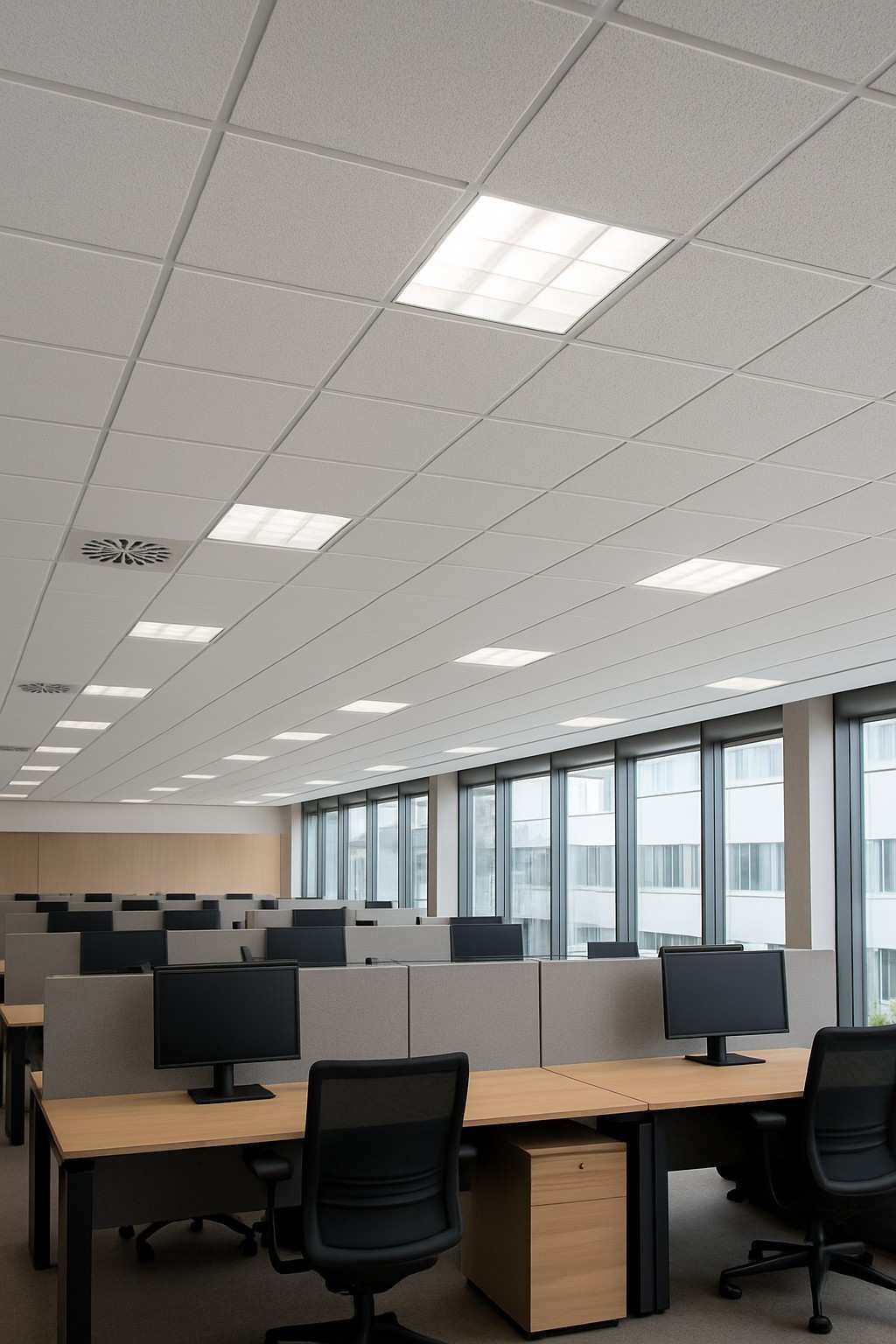
Many spaces use both wall panels and acoustic ceiling panels to improve the sound environment. When these systems work together, the room becomes quieter and easier to hear. Acoustic panels also improve comfort. People can speak clearly. Music sounds balanced. Meetings become easier to follow. Panels come in many styles. Two of the most common are wooden acoustic wall panels and acoustic fabric wall panels. Both types deliver excellent acoustic performance when installed correctly.
Acoustic Wooden Wall Panels: Overview
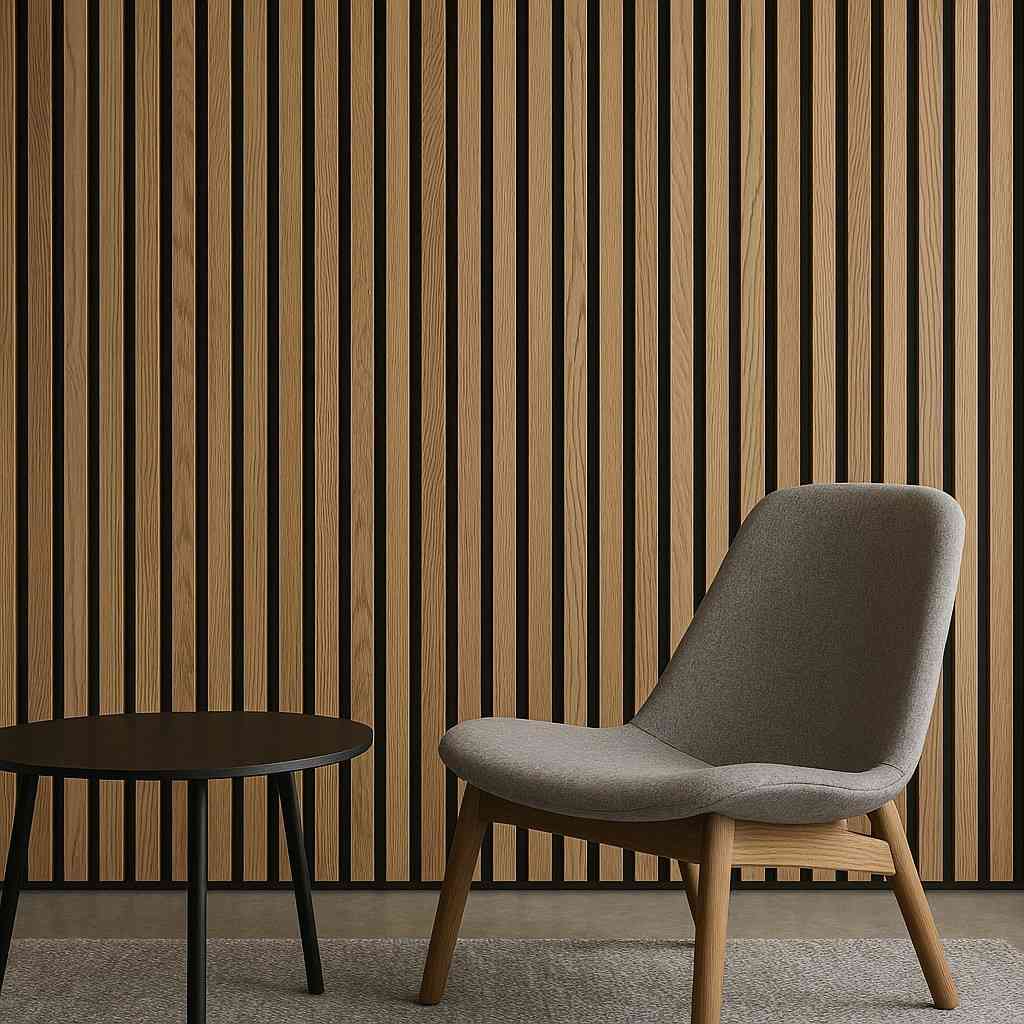
Wooden acoustic wall panels combine wood with sound-absorbing materials. These wood wall panels usually have wood slats on the front and acoustic felt behind them. This design helps control sound waves. The felt absorbs sound while the wood spreads the sound across the room.
Because of this design, acoustic wooden wall panels provide both sound diffusion and sound absorption. Many designers choose these panels for homes and offices. They look modern and natural. They also improve sound quality in the space.
Key Features:
- Natural wood slat design
- Acoustic felt backing for sound absorption
- Many wood colours such as oak or walnut
- Durable and high quality materials
- Optional panel end caps for clean edges
These acoustic wooden wall panels are popular in modern spaces because they combine design with function. Many products also use recycled materials, which makes them more eco friendly.
Pros:
Acoustic wooden wall panels offer strong design value. Natural wood adds warmth and texture to a space. They are also very durable. Many wood wall panels last for many years with little maintenance.
Another advantage of acoustic wooden wall panels is their balanced acoustic effect. The slats spread the sound while the felt backing helps absorb sound. This combination often creates excellent sound in offices, studios, and living rooms. Wood panels also work well as decorative features. Many interior designers use them as accent walls.
Cons:
Wood panels often cost more than fabric panels. The natural materials and craftsmanship increase the Acoustic wooden wall panels often cost more than fabric panels. The natural materials and craftsmanship increase the price. They are also heavier than most acoustic fabric wall panels. Because of this, installation may require stronger mounting systems. Finally, wood panels usually come in natural tones. This means there are fewer colour choices compared with fabric panels.
Fabric Acoustic Wall Panels: Overview
Fabric acoustic wall panels are widely used in many spaces. These panels usually have a frame filled with sound-absorbing material such as fiberglass or foam. The frame is then covered with acoustic fabric. This fabric allows sound to pass through the surface. This property is called acoustic transparency.
Because sound can pass through the fabric, the inner material can absorb sound more easily. This improves sound absorption and reduces echoes. Many people also call these panels acoustic fabric wall panels. They are very popular because they are simple, effective, and flexible in design.
Key Features:
- Covered with breathable acoustic fabric
- Large selection of colours and textures
- Lightweight panel design
- Can be used as wall or acoustic ceiling panels
These panels are common in offices, classrooms, studios, and conference rooms.
Pros:
Fabric panels are very effective for reducing echoes and improving speech clarity. They are also easy to customize. Designers can choose colours that match a company brand or interior style.
Another advantage is weight. Acoustic fabric wall panels are lightweight and simple to install. They are also more affordable than most wood panels. This makes them a popular option for large spaces. Because of their strong sound absorption, they are widely used in studios and home theaters.
Cons:
Fabric panels may collect dust over time. They may require occasional cleaning. The fabric surface can also stain if it is not protected. Compared with wood panels, fabric panels may be less durable in high-traffic areas.
Performance Comparison: Wooden vs. Fabric Panels

Both panel types help improve sound control and sound quality. However, they work in different ways. Both panel types help improve sound control and sound quality. However, they work in different ways. Acoustic wooden wall panels provide a mix of diffusion and sound absorption. The wood slats spread sound across the room while the felt backing helps absorb it.
This creates balanced acoustics. Acoustic fabric wall panels focus mainly on sound absorption. Their soft materials capture sound energy quickly. Because of this, they are often better for reducing echoes in spaces that require clear speech.
Both options provide excellent acoustic performance when used correctly. The best choice depends on the type of room and the level of sound control required.
Which Is Better for Different Environments?
Office Spaces
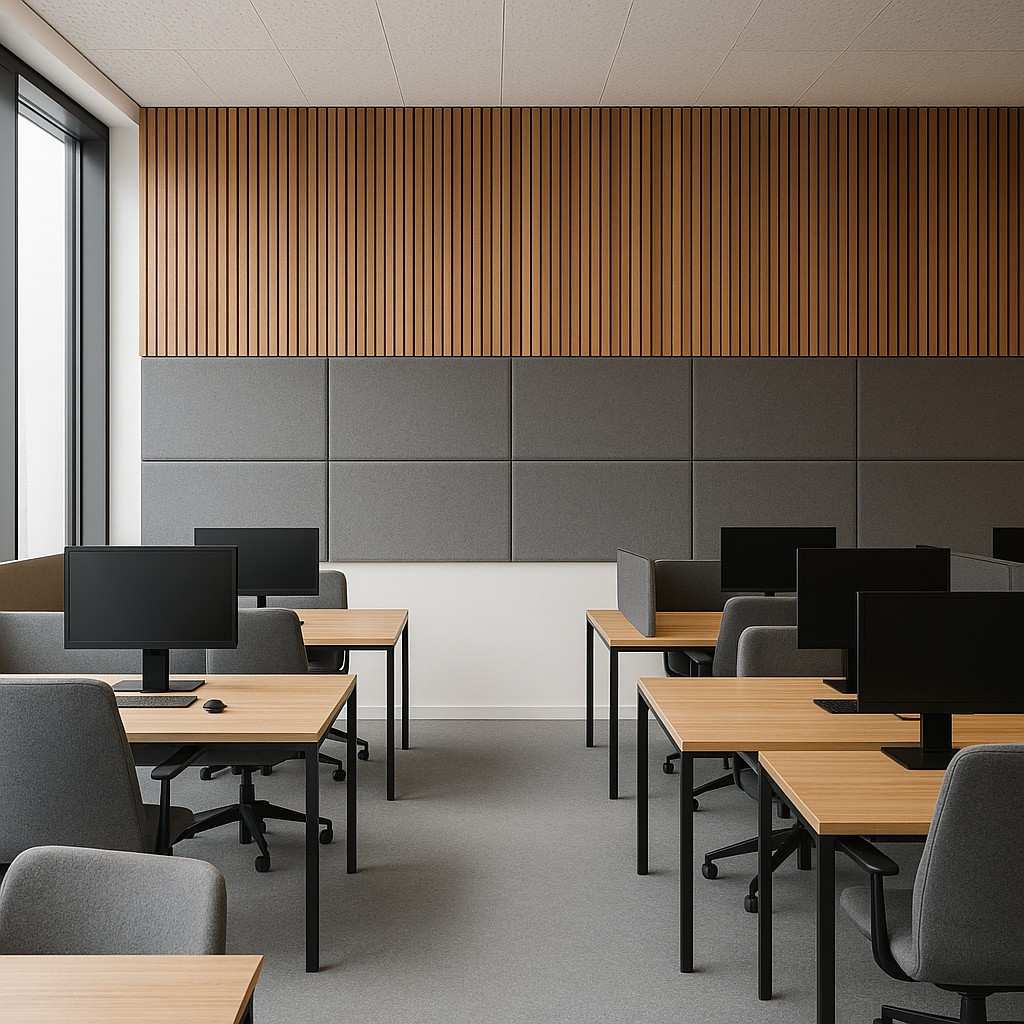
Offices often have many sound sources. People talk, phones ring, and equipment makes noise. Acoustic fabric wall panels are often the best option for offices. They provide strong sound absorption and reduce distractions. However, acoustic wooden wall panels may be used in boardrooms or reception areas where design matters.
Home Theaters
Many home theaters use fabric acoustic wall panels because they help create clear audio. They reduce reflections and improve sound quality for movies and music. Some theater designs also combine wood and fabric panels to create both great sound and attractive walls.
Residential Interiors
In homes, many people choose wooden acoustic wall panels because they look stylish. They work well in living rooms, hallways, and bedrooms. These panels reduce background noise while adding warmth to the interior design. Acoustic wooden wall panels also help create a calm and comfortable home atmosphere.
Recording Studios & Music Rooms
Studios require strong sound control. Even small echoes can affect recording quality. Because of their high sound absorption, acoustic fabric wall panels are usually preferred for studios. Wood panels may still be added to balance the room’s acoustics.
Restaurants & Hospitality
Restaurants often struggle with loud environments. Using both wood and fabric panels can help. Fabric panels improve sound absorption, while wood panels add style. Together they reduce noise and make conversations easier.
Style & Design Considerations
Acoustic Wooden Wall Panels:
- Natural wood textures create warmth
- Ideal for modern or Scandinavian interiors
- Often used as decorative wall panels combine design and function
- Add depth and visual interest to walls
Fabric Panels:
- Available in many colours and fabrics
- Easy to match with branding or design themes
- Blend smoothly into walls or ceilings
- Work well in modern or minimalist spaces
Installation & Maintenance
Installation
Wood wall panels are heavier. They usually require screws, clips, or secure mounting systems. Acoustic fabric wall panels are lighter. Many systems use simple mounting brackets or adhesive methods. Because of this, fabric panels are usually easier to install.
Maintenance
Wood panels are easy to maintain. Dust can be removed with a dry cloth. For deeper cleaning, a soft damp cloth may be used. Fabric panels may need vacuuming to remove dust. Stains can sometimes be cleaned with mild soap.
Sustainability and Eco-Friendliness
Many modern acoustic panels focus on sustainability. Some wooden acoustic wall panels use responsibly sourced wood and recycled felt backing. This makes them more eco friendly. Acoustic wooden wall panels are a smart choice for spaces that value style and sustainability.
Many fabric wrapped acoustic fabric wall panels also use recycled insulation materials. This makes them a more eco friendly option for sound control. Choosing durable high quality panels also helps reduce waste. Long-lasting products require fewer replacements over time.
Final Verdict: Which Panel Is Right for You?
Choosing between acoustic wooden wall panels vs. fabric panels depends on your priorities.
Choose acoustic wooden wall panels if:
- You want a strong visual design feature
- Natural materials match your interior
- You want diffusion and sound absorption
Choose acoustic fabric wall panels if:
- Maximum sound absorption is the main goal
- You want many colour options
- Easy installation and budget matter
Both options provide strong sound control and improved acoustic performance.
Conclusion
Both acoustic wooden wall panels and acoustic fabric wall panels help improve sound quality and reduce noise. Wood panels offer natural design, durability, and balanced acoustics.
Fabric panels provide powerful sound absorption and flexible design options. The right choice depends on your space, design style, and acoustic needs. With the right acoustic panels, you can create a space that looks great and delivers excellent sound.
Explore a wide range of acoustic panels today at Imagine Acoustics and find the perfect match for your design and performance needs.