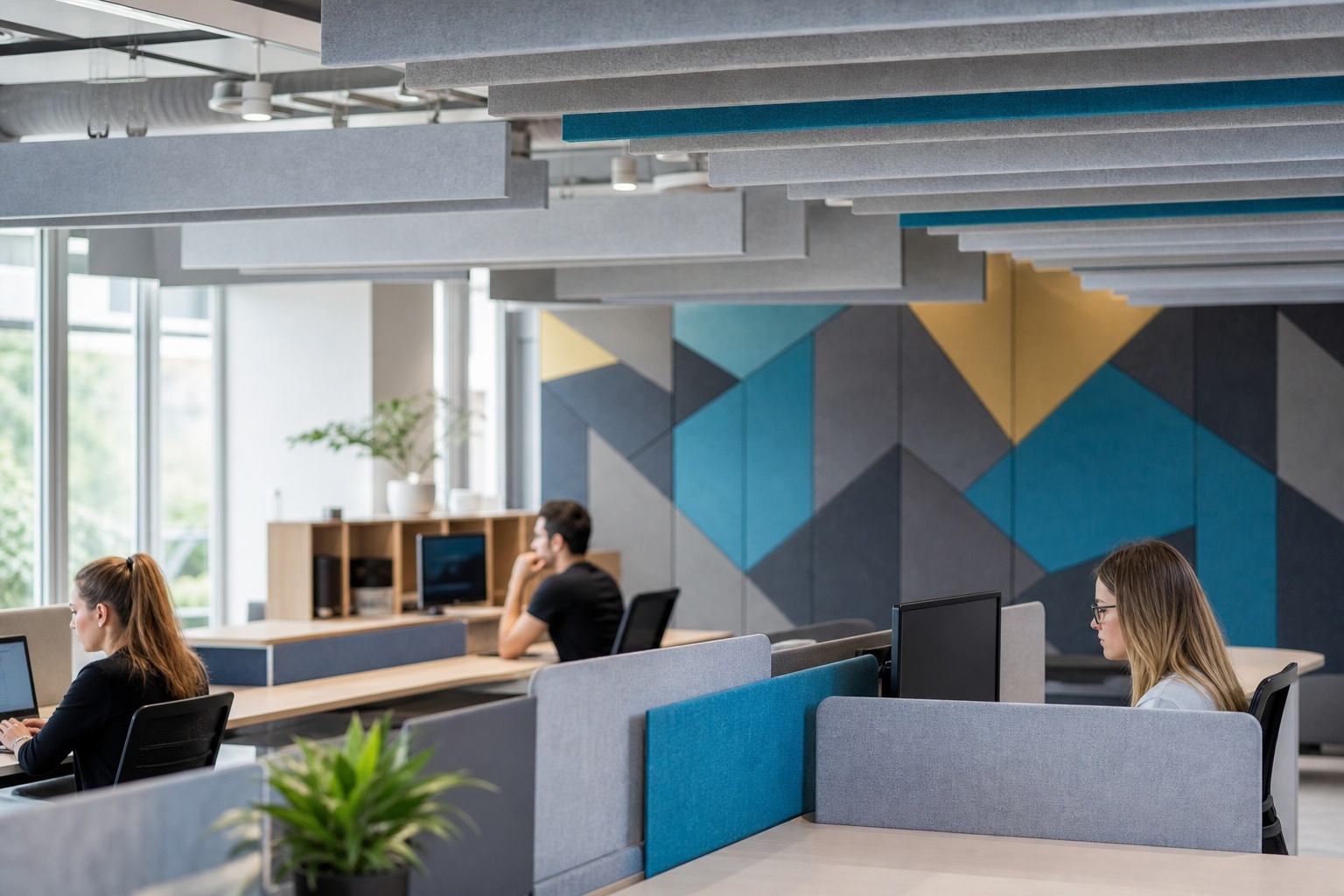
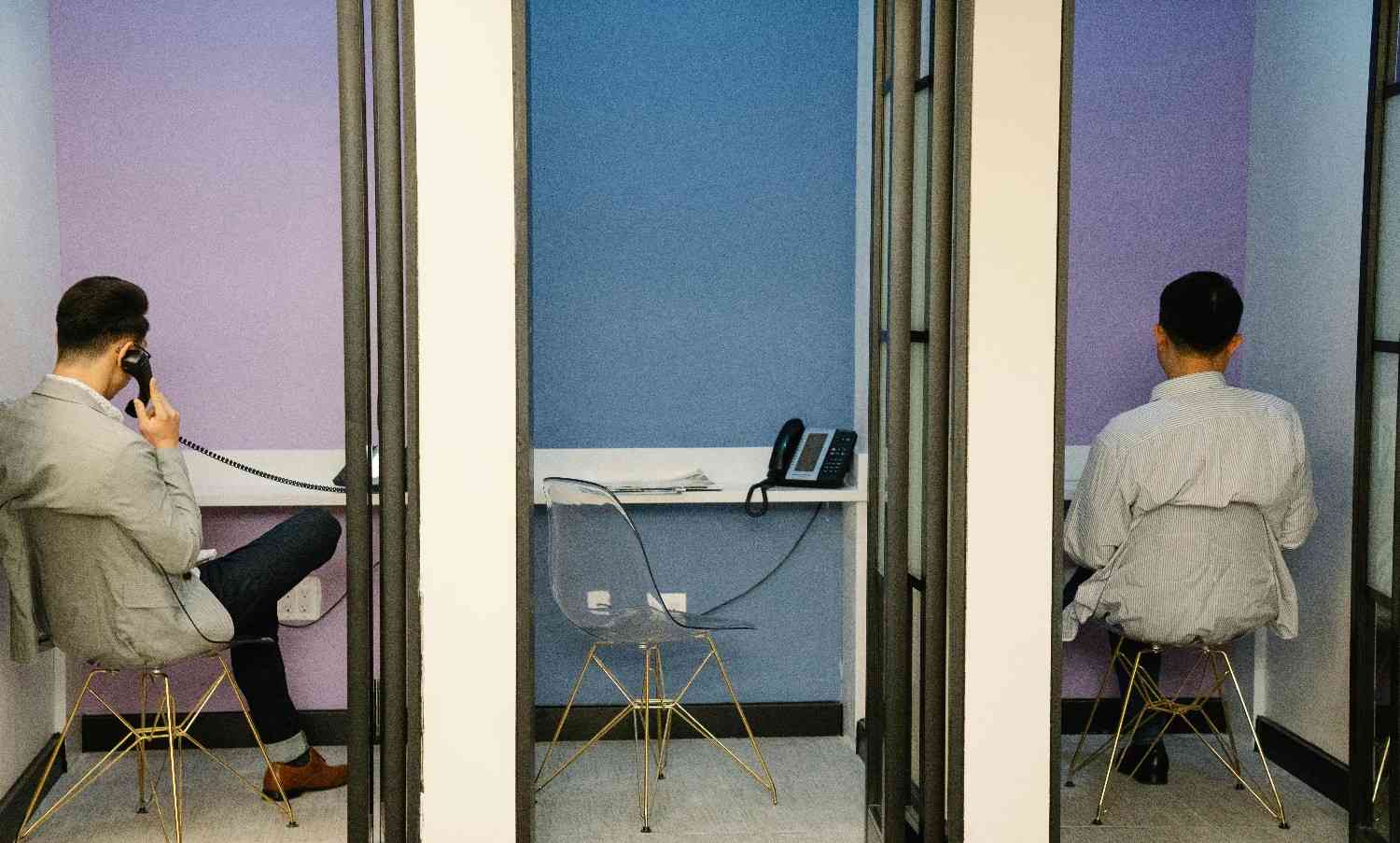
Facilities people often find themselves in a challenging position when it comes to managing acoustics.
The issues are clear to everyone: the echo, the clatter, phone calls that seem to resonate across the room, and meeting rooms that distort every voice like it’s echoing through a tunnel.
However, when it’s time to justify expenses, the focus shifts to ROI. The question becomes: How can we measure this in a way that makes sense to procurement, finance, and leadership?
Fortunately, it is possible. While it’s not as straightforward as swapping out lights for LEDs, acoustic panels have measurable outcomes if we pay attention to the right signals.
Here’s a practical guide on what you can measure, how to measure it, and what tends to improve after implementing acoustic treatment.
Start with the simplest win: reverberation time
If you’re looking for one metric that is both technical and defensible, it would be RT60 or reverberation time.
RT60 essentially measures how long sound lingers in a space after the source stops. A long RT60 results in more echo, which leads to lower speech clarity. This drop in clarity results in people repeating themselves throughout the day.
How to measure
- Hire an acoustic consultant for a proper sweep using advanced tools or consider using custom acoustic designs for workspaces which can provide tailored solutions.
- For a cost-effective directional read, there are apps and handheld meters that can demonstrate trends over time. While not perfect, they can still clearly show improvement if measurements are taken consistently.
Why it matters for ROI Because RT60 directly correlates with speech intelligibility. When intelligibility improves due to effective soundproofing solutions like bevelled acoustic panels, meetings get shorter, training becomes easier, and complaints decrease. These may be soft savings but they represent genuine operational savings.
Moreover, incorporating acoustic dividers into your workspace can further enhance sound management by creating separate zones of comfort and productivity. Exploring options such as edge panels for innovative walls and ceilings could also provide unique solutions tailored to your specific needs.
Noise complaint volume, and what it costs you
Most facilities teams already have a ticketing system. Use it.
What to measure
- Number of noise related tickets per month
- Repeat tickets in the same area
- Escalations to HR or leadership
- Costs tied to mitigation attempts (moving teams, adding white noise machines, reconfiguring furniture)
How to measure
- Tag tickets with a “noise” category if you do not already
- Pull a 6 month baseline, then track the same period after the change
Why it matters Noise complaints are labor. They take time to investigate, time to respond, and time to patch. Panels can reduce that churn. For instance, using acoustic panels can significantly mitigate noise issues.
Employee experience metrics, the ones you already report
Many organizations already track engagement or workplace satisfaction. Acoustics often shows up indirectly there.
What to measure
- Workplace satisfaction for “ability to focus”
- Satisfaction with meeting rooms
- Reported stress or fatigue at end of day, especially in loud spaces like call areas or student commons
How to measure
- Add one or two acoustics specific questions into existing surveys
- Keep it simple. Like “I can hear clearly in meeting rooms” or “Noise levels support my work”
Why it matters Retention is expensive. Burnout is expensive. If you can make a space less draining by implementing effective acoustic interior design solutions, that affects turnover risk. Again, not always a clean ROI line, but it is a measurable facility outcome.
For instance, using acoustic felt office sound solutions or reindeer moss design and acoustic perks can enhance the overall acoustic experience of an office space. Additionally, incorporating acoustic wooden panel end caps into your design can further improve sound quality.
A simple ROI framework facilities can actually use
If you’re looking for a practical way to present ROI without overpromising, consider following these steps:
Step 1: Pick 3 measurable KPIs
Example: RT60, noise tickets, meeting room satisfaction score.
Step 2: Measure baseline
Allow two weeks to two months depending on the metric.
Step 3: Install treatment
Prioritize the worst rooms first: conference rooms, training rooms, and open areas with hard ceilings.
Step 4: Measure again
Use the same method, at the same time of day if possible, and ask the same survey questions.
Step 5: Translate results to cost
- Reduced ticket handling time
- Reduced meeting overruns
- Reduced rework caused by miscommunication
- Reduced space avoidance from rooms people stop using because they sound awful
Choosing panels that people will actually keep on the walls
ROI diminishes when panels are treated like an afterthought and later removed due to aesthetic reasons or a temporary feel. Therefore, design matters. Durability matters. Cleaning matters.
If you’re looking for options that are meant to endure in real facilities rather than just studios, consider exploring Imagine Acoustics. They offer a variety of architectural products such as acoustic wood slat wall panels, ceiling solutions for grid ceilings, felt based panels, desk dividers, and open space dividers. This way, you can treat the echo without making the space resemble a recording booth.
Moreover, it’s worth noting that there are significant benefits of installing acoustic wall panels in offices and open spaces. These benefits include improved sound quality, reduced noise distractions, and enhanced overall comfort in the workspace.
FAQs (Frequently Asked Questions)
What are practical ways to quantify productivity gains from improved acoustics?
Instead of vague claims, measure specific friction points like the number of meeting interruptions, average meeting length creep, self-reported focus ability in open areas, and headphone usage rates. Conduct baseline pulse surveys before acoustic improvements and repeat them 30-60 days after installation to track changes. Even small time savings per person add up significantly across teams.
Why should facilities consider noise complaint volume when managing acoustics?
Most facilities already use ticketing systems that log noise complaints. Tracking complaint volume helps identify problem areas and quantify the impact of acoustic issues on occupant satisfaction. Reducing noise complaints through effective acoustic solutions leads to improved workplace comfort and potentially lowers operational disruptions.
How can facilities justify the ROI of investing in acoustic treatments?
ROI can be justified by measuring defensible technical metrics like RT60 for reverberation time improvements, STI/SPC scores for speech clarity and privacy enhancements, reductions in noise complaint volumes, and quantifiable productivity gains such as fewer meeting interruptions or shorter meetings. These measurable outcomes demonstrate operational savings and risk reduction that resonate with procurement, finance, and leadership stakeholders.